How Much Does a Restaurant Website Actually Cost in 2026?

info • July 9, 2026

Share this article

If you've started shopping for a restaurant website, you've probably noticed the quotes are all over the map — anywhere from a few hundred dollars to five figures. That range isn't random. It comes down to a handful of factors: how many pages you need, whether the site has to integrate with reservation and POS systems, how much custom design work goes into it, and whether SEO and analytics are built in from day one or bolted on later.

This guide breaks down what actually drives restaurant website pricing, what you should expect at each budget tier, and how to tell the difference between a site that's cheap because it's simple and one that's cheap because it's going to cost you leads.

1. What Drives the Price of a Restaurant Website

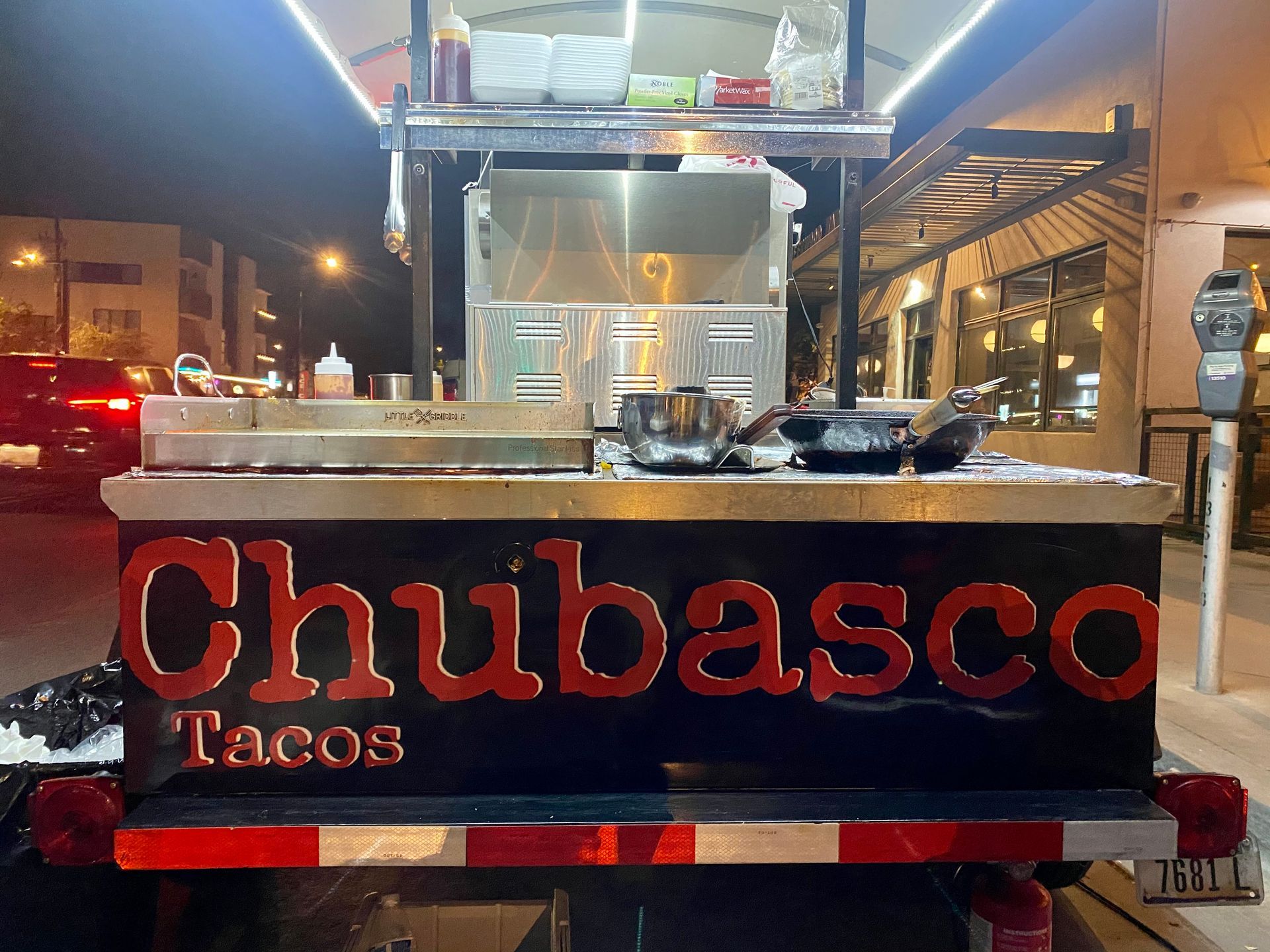
Most restaurant website quotes come down to five variables: page count, custom design vs. template, third-party integrations (OpenTable, Toast, Resy, Square, online ordering), SEO and analytics setup, and ongoing support. A single-page site for a food truck or pop-up has very different requirements than a multi-location restaurant group that needs online ordering, a careers page, and press mentions.

Integrations are often the hidden cost driver. Connecting a reservation platform or POS system isn't just a plugin — it usually means custom development work to make sure bookings, menu updates, and inventory sync correctly without breaking the design.

SEO is the other line item people underestimate. A site that looks great but was never set up with proper metadata, a Google Search Console connection, or local SEO foundations will struggle to get found, no matter how nice it looks.

2. Entry-Level Sites: What to Expect

At the lower end, a streamlined one-page website is usually enough to establish an online presence for a new concept, food truck, or pop-up. These builds typically include a mobile-first design, a contact form, basic local SEO foundations, and SSL security. They're a fast way to get online and look credible while a concept is still finding its footing.

What they don't usually include: multiple pages, deep SEO strategy, or the kind of conversion-focused UX that turns visitors into reservations. That's fine for a launch — just don't expect a one-page site to carry long-term lead generation on its own.

3. Mid-Tier Sites: Where Most Established Restaurants Land

Once a restaurant has a menu, a following, and a need to actually generate leads and reservations, the project usually grows to include multiple key pages (home, menu, about, contact, sometimes catering or events), analytics setup (GA4 and Google Tag Manager), lead tracking, and a real local SEO push. This tier is where most independent restaurants and small hospitality groups should be budgeting.

4. Custom Systems: When You Need More Than a Website

Multi-location groups, franchises, or hospitality brands running catering funnels, CRM integrations, or advanced booking systems need custom architecture, not a template. That means unlimited page options, funnel development, marketing automation, and ongoing strategic support. It costs more because it's solving a more complex problem — not because of markup.

How to Avoid Overpaying

The biggest mistake we see: paying premium pricing for features a business doesn't need yet, or underpaying for a bare-bones site and having to rebuild within a year because it can't support growth. The right move is matching the build to where the business actually is today, with a clear path to upgrade later.

Not sure which tier fits your concept? That's exactly the kind of question a quick strategy call can answer before you commit to a quote.

Recent Posts

Behind Hospitality Blog
By info July 9, 2026
A practical, no-fluff SEO checklist for Phoenix restaurants — from Google Business Profile basics to schema markup and local link building.
By info July 9, 2026
A practical intro to menu engineering — how to price dishes for real margins, spot your menu's stars and dead weight, and design a menu that guides guests toward your most profitable items.