


Behind Hospitality Blog
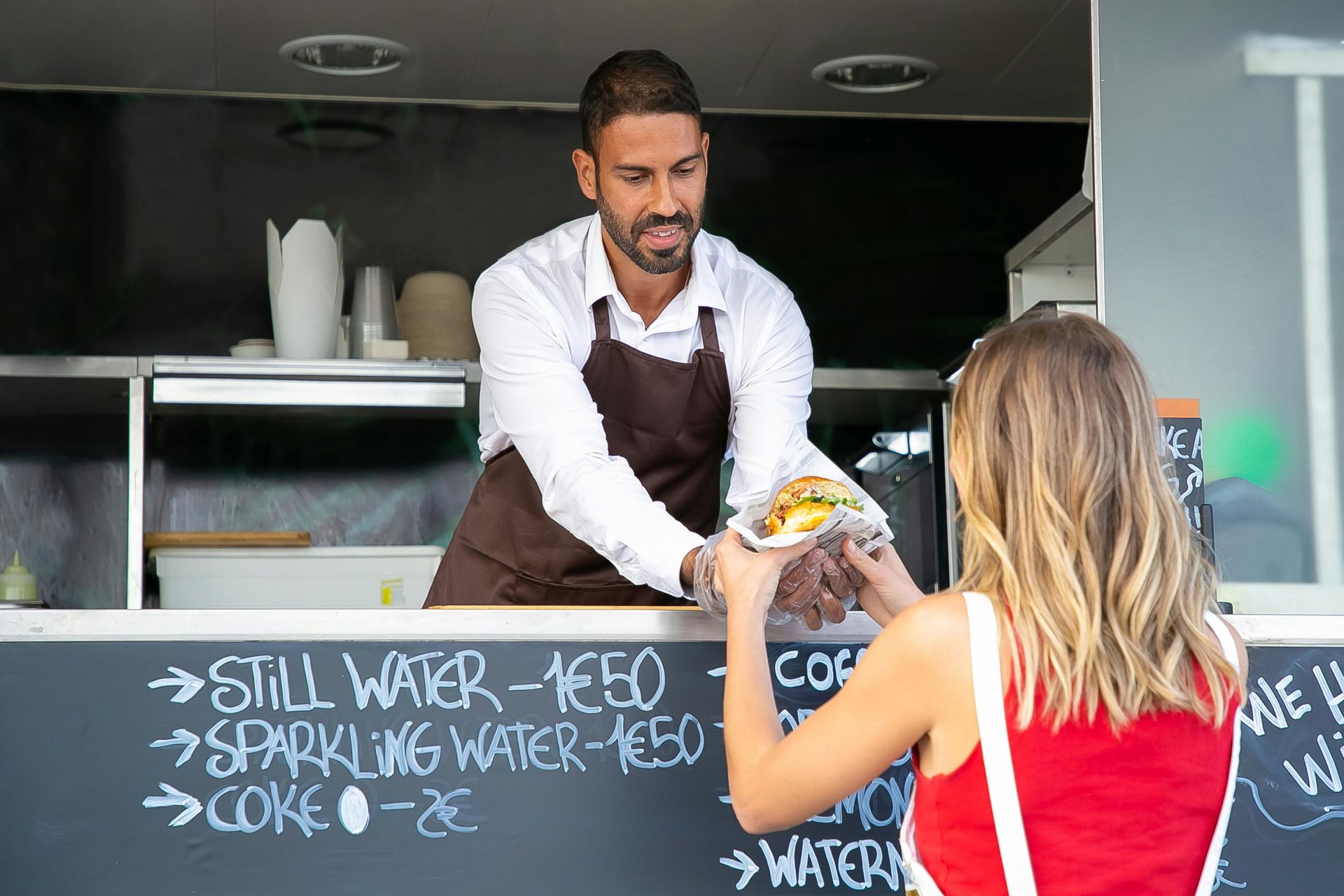
Schools, teachers, and staff are an overlooked local audience for restaurants. Here's how to reach them — from catering to partnerships — from Behind!

How do you actually market a restaurant — and how does social media fit in? A step-by-step breakdown for owners, from Behind!
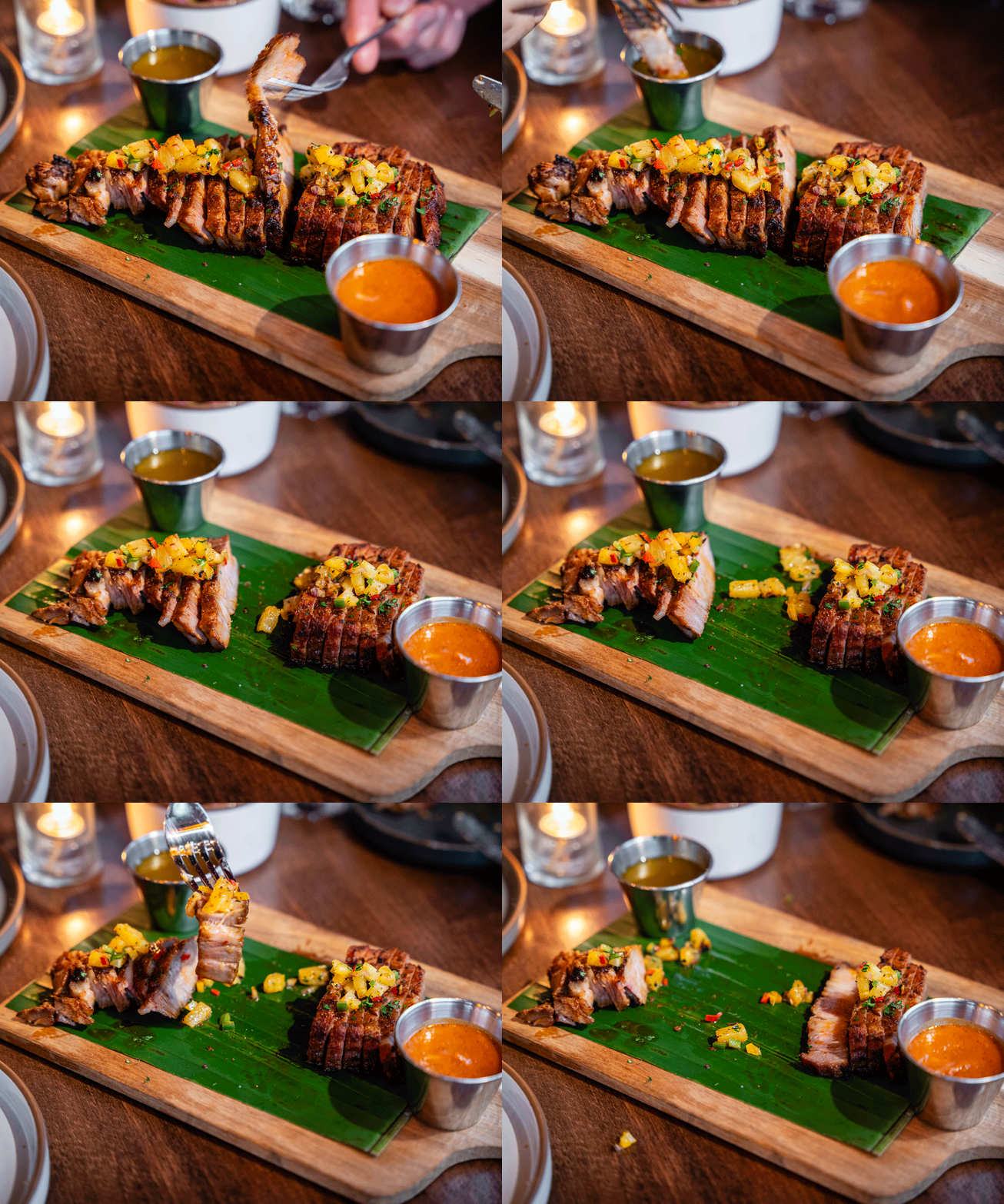
What should a restaurant actually post on social media? A practical breakdown of platforms, content, and consistency — from the team behind Behind!
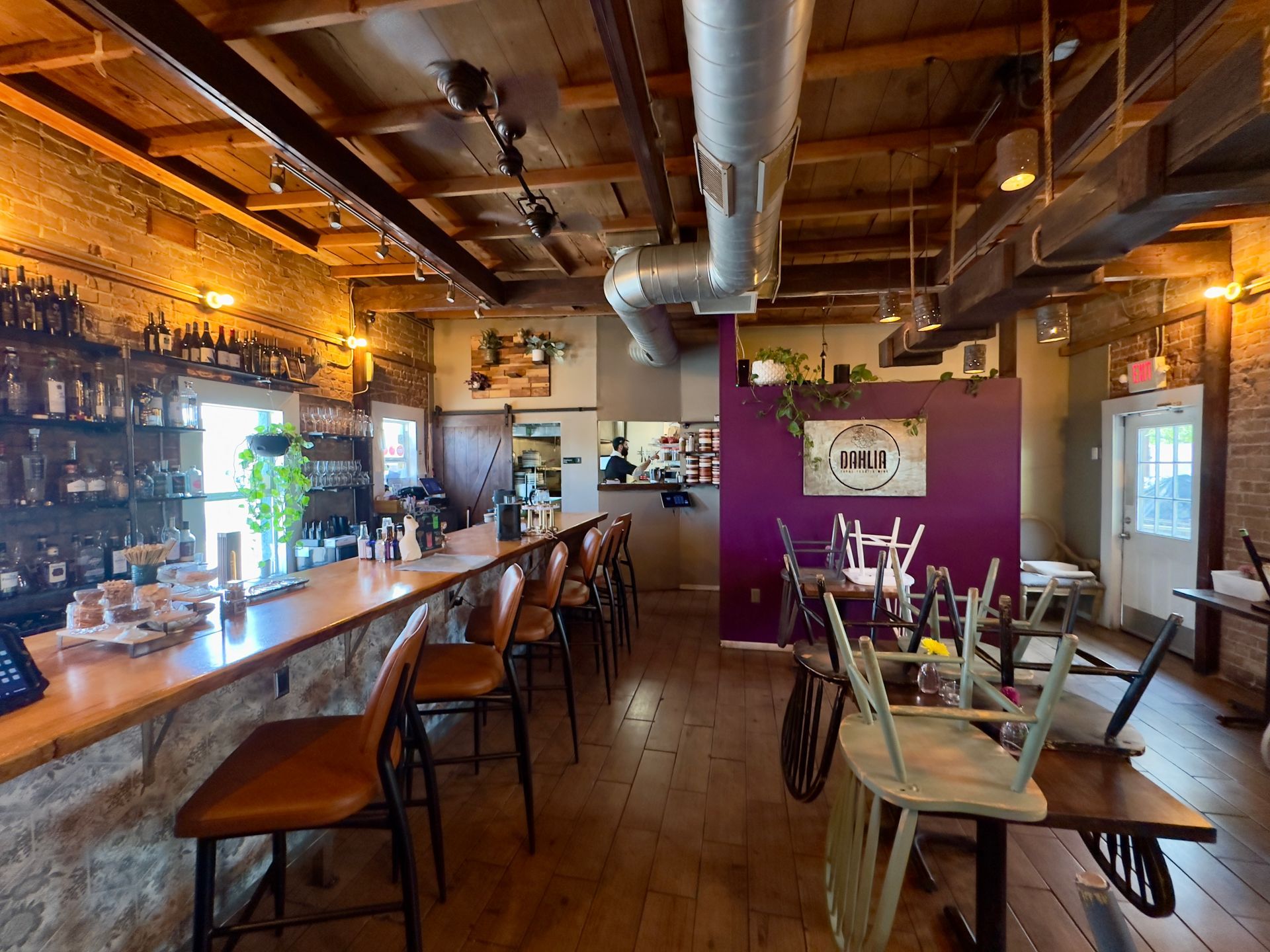
What does a restaurant marketing consultant actually do? A practical breakdown of restaurant digital marketing — website, local SEO, reviews, and social — from Behind!

What actually makes a restaurant brand memorable? A practical look at name, voice, visuals, and guest experience — from the team behind Behind!

How do Phoenix restaurants actually rank locally on Google? A breakdown of Google Business Profile, reviews, schema, and NAP consistency — from Behind!
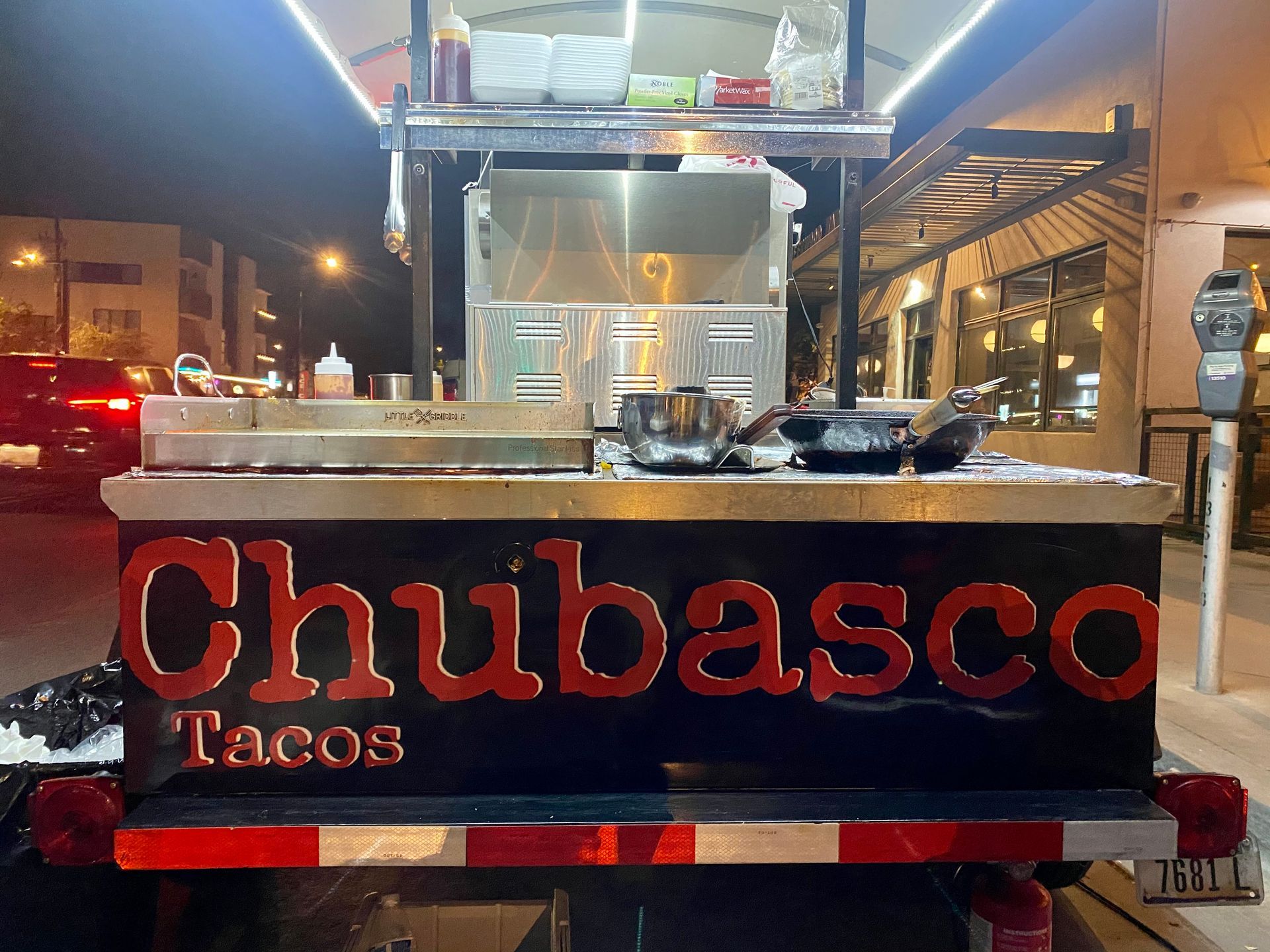
A step-by-step roadmap to legally opening a restaurant Phoenix —LLC registration, health permits, TPT licensing, and getting found online once you're open.
A pricing breakdown for restaurant websites in 2026. What drives cost, what to expect at each tier, and how to avoid overpaying for features you won't use.

A practical, no-fluff SEO checklist for Phoenix restaurants — from Google Business Profile basics to schema markup and local link building.