What Arizona Restaurant and Food Truck/Pop-Up Owners Should Plan For
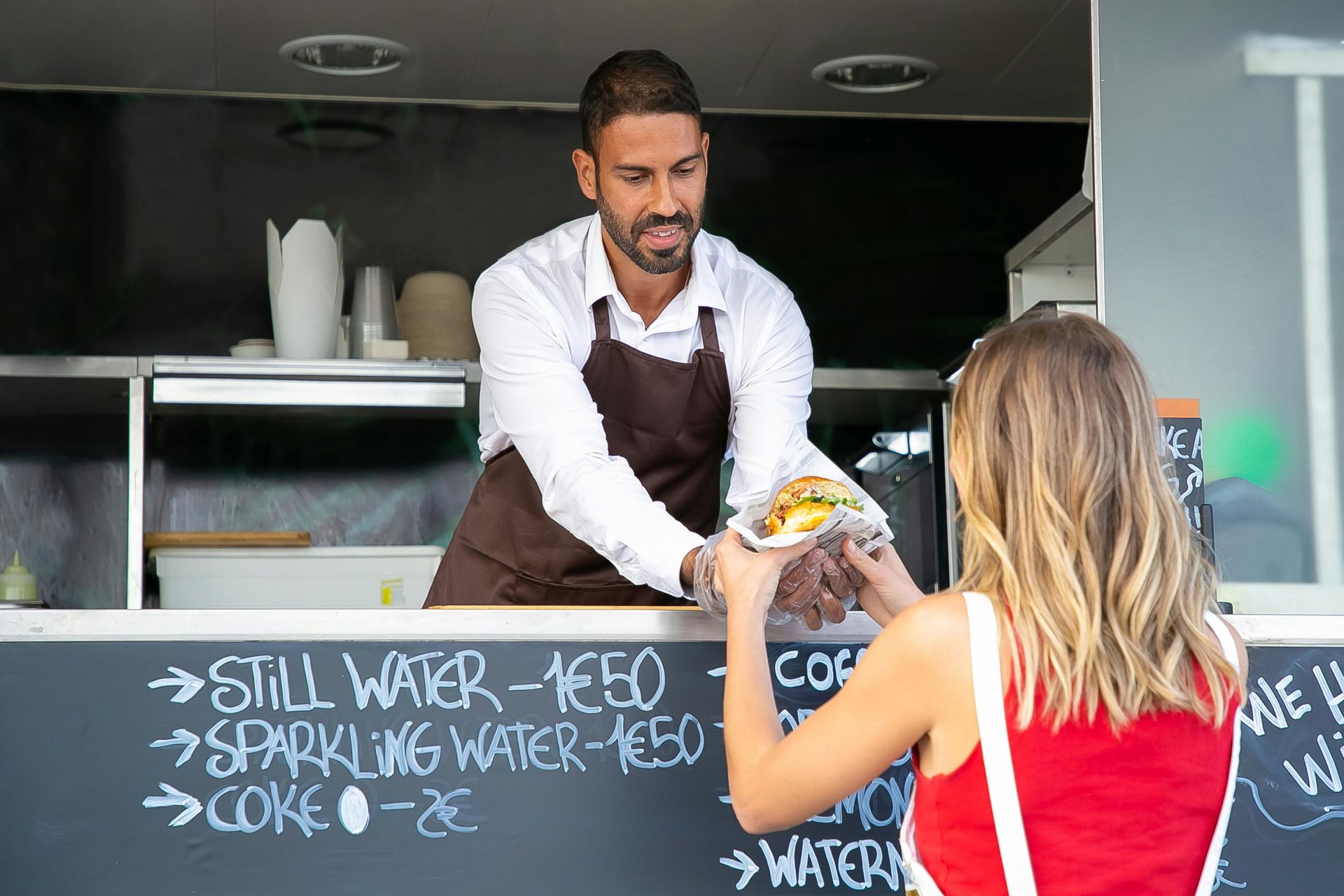
Obtaining your Arizona restaurant permits or Phoenix food truck licenses is only the beginning. Arizona’s extreme heat, monsoon season, equipment demands, and changing traffic patterns can all affect daily operations and revenue. Planning for these challenges early can help keep your food business visible, prepared, and profitable throughout the year.
Weather–Arizona Heat, Monsoon Season, and Seasonal Slowdowns
Summers can be one of the most difficult seasons for Arizona restaurants, food trucks, pop-ups, and other businesses that depend on outdoor traffic. Extreme heat often reduces daytime activity, while monsoon storms, high winds, dust, and flash flooding can disrupt service or force outdoor events to be canceled.
Build Arizona’s seasonal slowdown into your restaurant or food truck business plan.
Consider shifting service toward mornings and evenings, booking indoor events, expanding catering and delivery, or partnering with local breweries, restaurants, markets, and event venues. Collaborative pop-ups, limited-time menu items, summer specials, and bundled offers can help generate demand when regular foot traffic slows.
For outdoor events, establish a weather backup plan, clear cancellation policies, and a reliable way to update customers through your website, Google Business Profile, social media, and email list.
Maintenance (Truck, Equipment, Brick & Mortar)
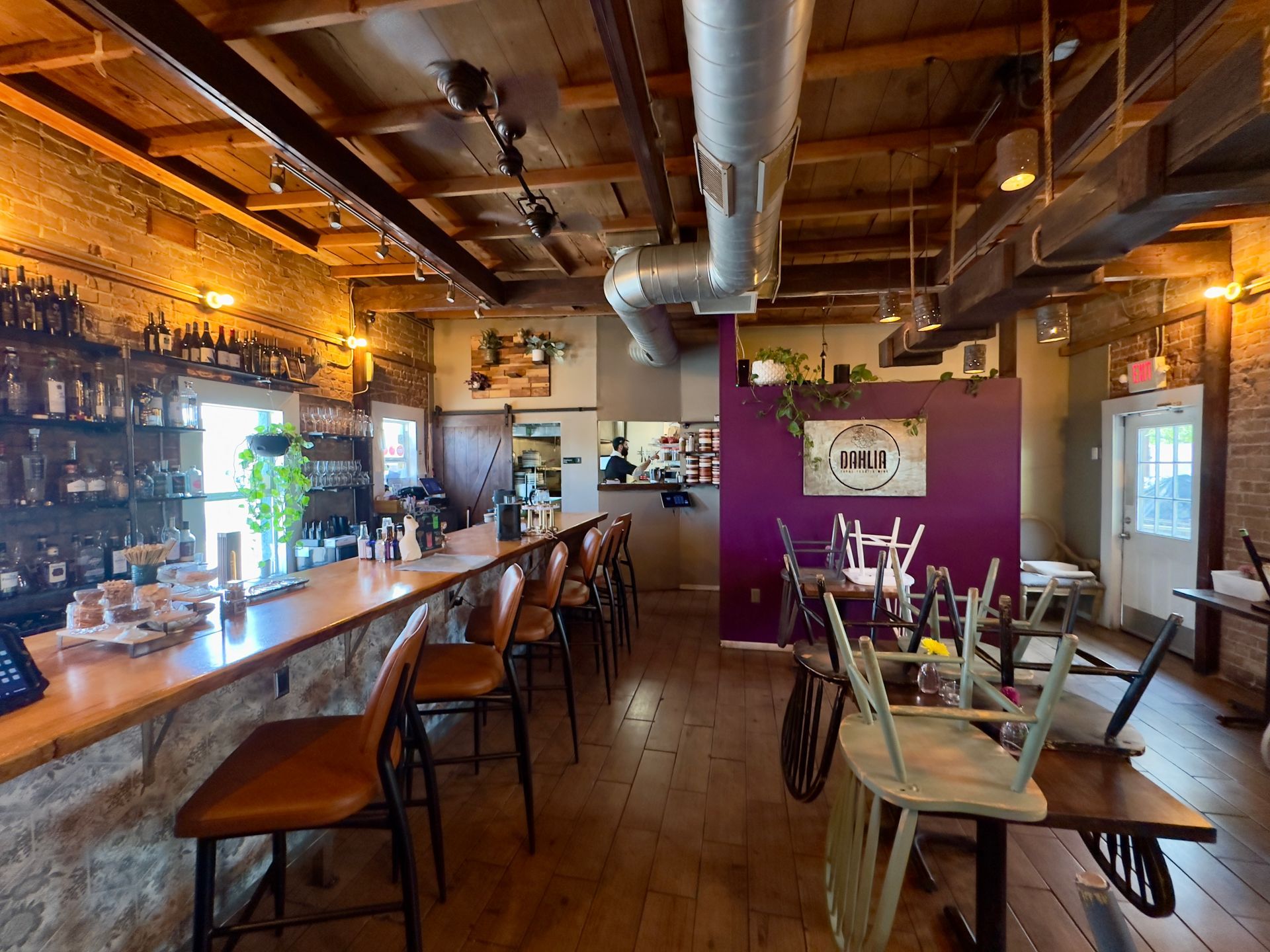
Arizona heat puts additional strain on food truck refrigeration, generators, batteries, tires, air-conditioning systems, vehicles, and cooking equipment. For brick-and-mortar restaurants, HVAC systems, walk-in coolers, freezers, plumbing, ventilation, and grease traps also require consistent attention.
Schedule preventive restaurant and food truck maintenance before summer, monitor refrigeration temperatures regularly, and create a budget for emergency repairs. Routine maintenance can help prevent lost revenue, spoiled inventory, food-safety issues, and unexpected closures during the hottest part of the year.
Phoenix Construction, Traffic and Customer Access
Road construction, closures, and changing traffic patterns can quickly affect a Phoenix restaurant or food truck’s visibility and accessibility. Before committing to a vending location, pop-up, or long-term lease, review nearby development projects, street closures, parking availability, and upcoming events.
If construction affects your normal location, update your hours and location across your Google Business Profile, website, social media accounts, and food truck directory listings. Temporary collaborations with nearby businesses can also help maintain visibility and give customers another reason to seek you out.
Build Local Partnerships Before Business Slows
Strong partnerships can help Arizona food businesses create more dependable revenue during slower periods. Build relationships with breweries, coffee shops, hotels, offices, apartment communities, event venues, farmers markets, and complementary food vendors before summer arrives.
Partnership opportunities can include rotating food truck nights, collaborative pop-ups, themed events, cross-promotions, catering packages, and shared seasonal specials. These relationships can introduce your business to new customers while creating additional revenue channels when outdoor traffic becomes less predictable.