
Local SEO for Restaurants: How Phoenix Restaurants Actually Get Found on Google

Behind Hospitality • July 10, 2026

Share this article

Most restaurant owners know they need "local SEO," but few get a straight answer on what that actually means in practice. It's not one big fix — it's a handful of consistent moves that add up over time. Here's what actually moves the needle for restaurants trying to show up when people search nearby.

Work through this in order. Your Google Business Profile and local signals come first — everything else builds on top of that foundation.

1. Google Business Profile Fundamentals

Your Google Business Profile is often the first thing a hungry customer sees, before they ever click through to your website. Make sure your name, address, and phone number match your website exactly — inconsistent NAP data is one of the most common (and most damaging) local SEO mistakes. Add real photos, keep hours current, and respond to reviews.

2. Local Business Schema Markup

Schema markup is structured data that tells Google exactly what kind of business you are, where you're located, and what you offer. Without it, Google has to guess — and guessing means missed opportunities for rich results like star ratings, hours, and menu links directly in search results.

3. Reviews: Your Strongest Local Ranking Signal

Review volume and recency are one of Google's clearest local ranking signals — and one of the easiest for a busy restaurant to neglect. Ask happy guests for a review before they leave, respond to every review (good or bad) within a day or two, and never buy or fake reviews — Google can tell, and the penalty isn't worth it.

4. Location + Service Keywords in Titles and Headers

"Restaurant Website Design" is a fine title. "Phoenix Restaurant Website Design" tells Google (and your customer) exactly who it's for. Location-plus-service phrasing in titles, H1s, and meta descriptions is one of the highest-leverage, lowest-effort fixes available.

5. Mobile Speed and Core Web Vitals

The majority of restaurant searches happen on a phone, often from someone standing outside deciding where to eat right now. A slow-loading site loses that customer to the next search result.

6. A Real Menu Page (Not Just a PDF)

PDFs aren't crawlable the way HTML text is, and they're a poor mobile experience. An HTML menu page that Google can actually read and index helps you show up for dish-specific and cuisine-specific searches.

7. Online Ordering and Reservation Integration

Beyond convenience, integrated booking and ordering platforms (OpenTable, Toast, Resy, Square) create additional structured data and backlinks that reinforce your local authority.

8. Consistent NAP Across the Web

Your name, address, and phone number should match exactly across your website, Google Business Profile, Yelp, and any directory listing. Inconsistencies confuse both customers and search engines.

9. Fresh, Regularly Updated Content

A blog covering menu updates, events, behind-the-scenes stories, and local guides gives Google a reason to keep crawling your site — and gives you a way to rank for searches beyond your core service pages.

10. Local Backlinks and Press Mentions

A mention from a local food blog, news outlet, or "best of" list is worth far more than a generic directory link. These are some of the strongest trust signals in local search.

11-15: Quick Hits

Round out the checklist with alt text on every photo, a fast and accurate FAQ page (with FAQ schema), clear calls-to-action on every page, an SSL certificate (https), and a sitemap submitted to Google Search Console.

None of this needs to happen overnight. Tackle the foundational items first — Google Business Profile, schema, and the duplicate-page issue — then layer in content and links over the following months.

Recent Posts

Behind Hospitality Blog
By Behind Hospitality July 11, 2026
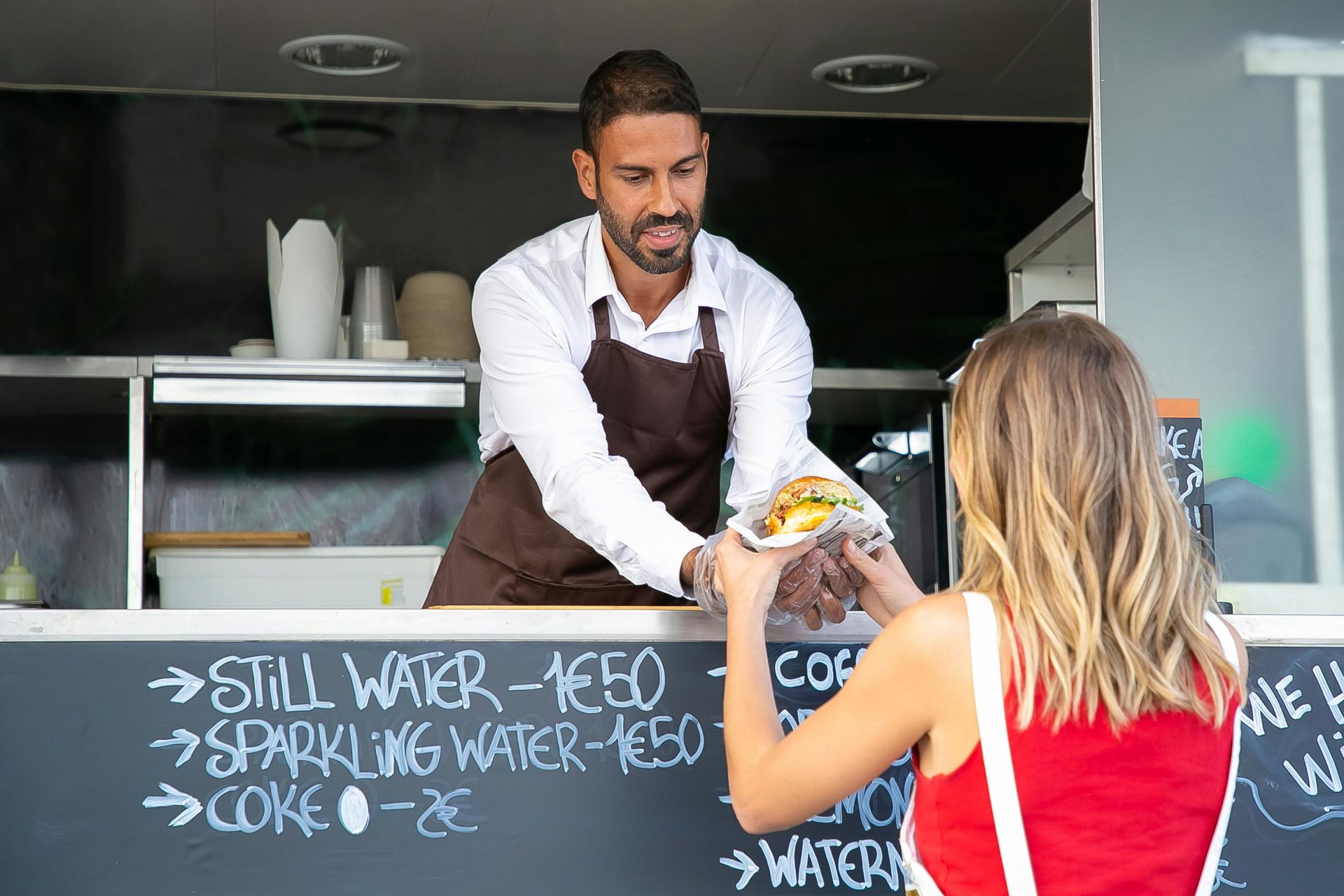
Schools, teachers, and staff are an overlooked local audience for restaurants. Here's how to reach them — from catering to partnerships — from Behind!
By Behind Hospitality July 11, 2026
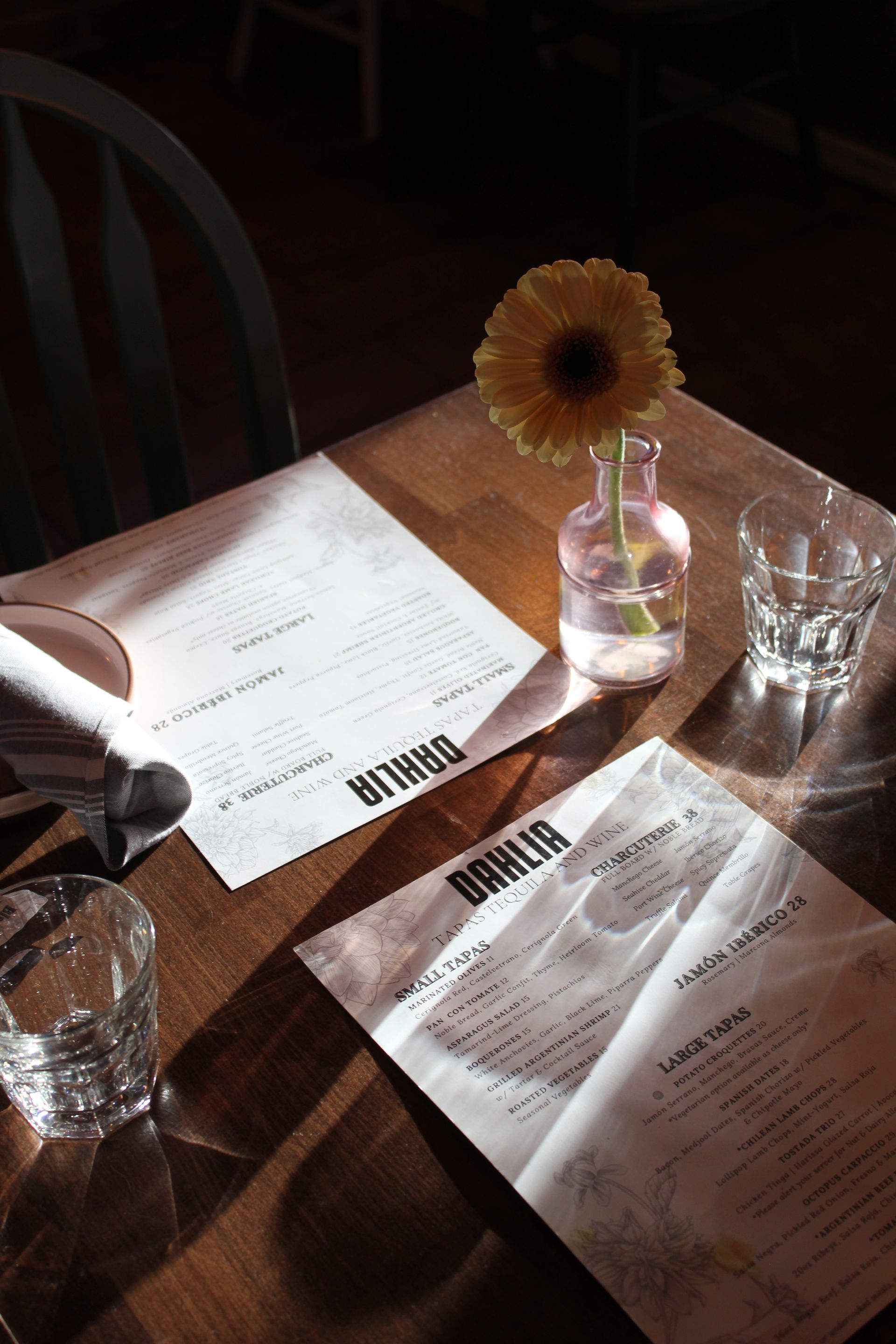
How do you actually market a restaurant — and how does social media fit in? A step-by-step breakdown for owners, from Behind!
By Behind Hospitality July 11, 2026
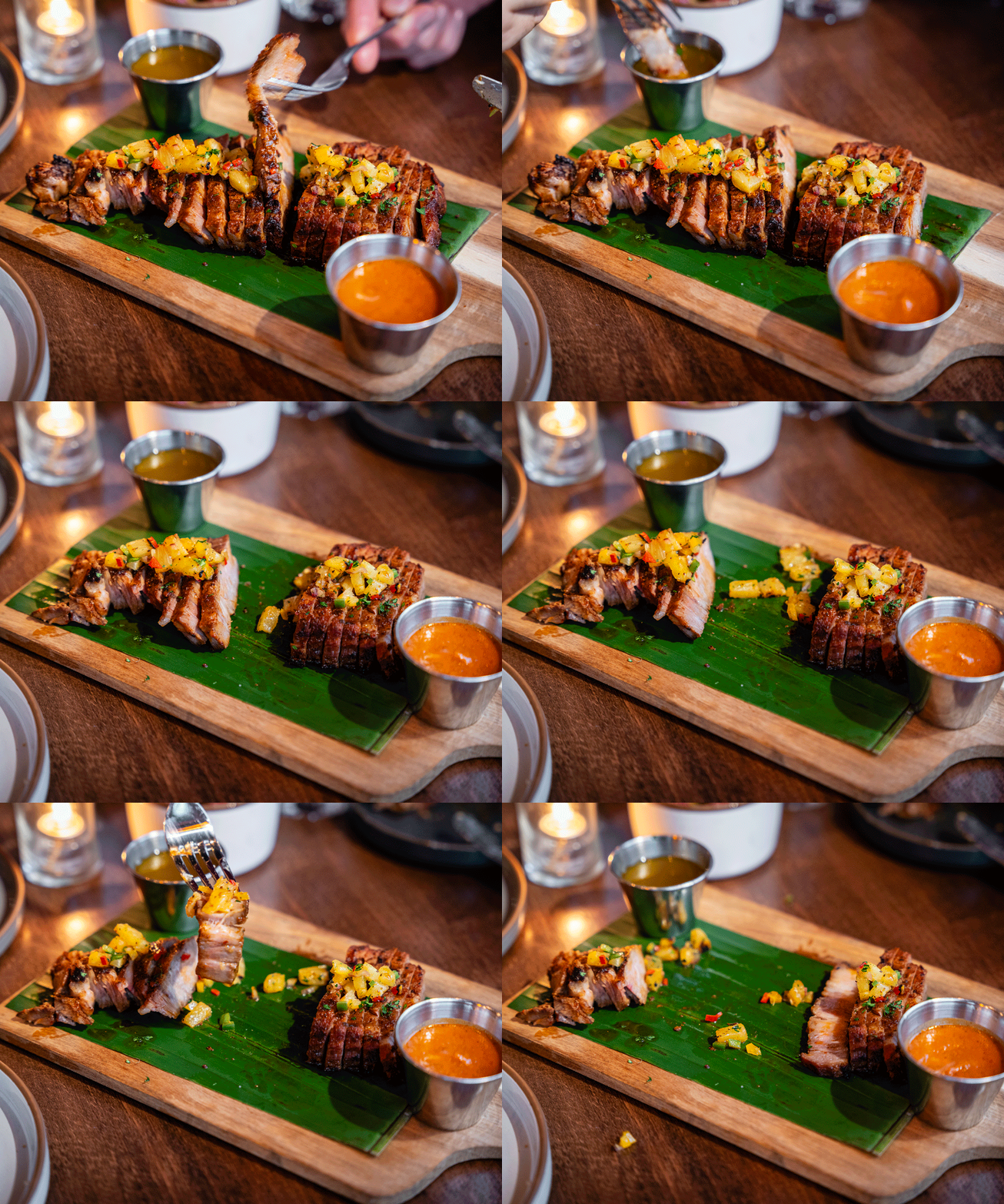
What should a restaurant actually post on social media? A practical breakdown of platforms, content, and consistency — from the team behind Behind!
By Behind Hospitality July 11, 2026
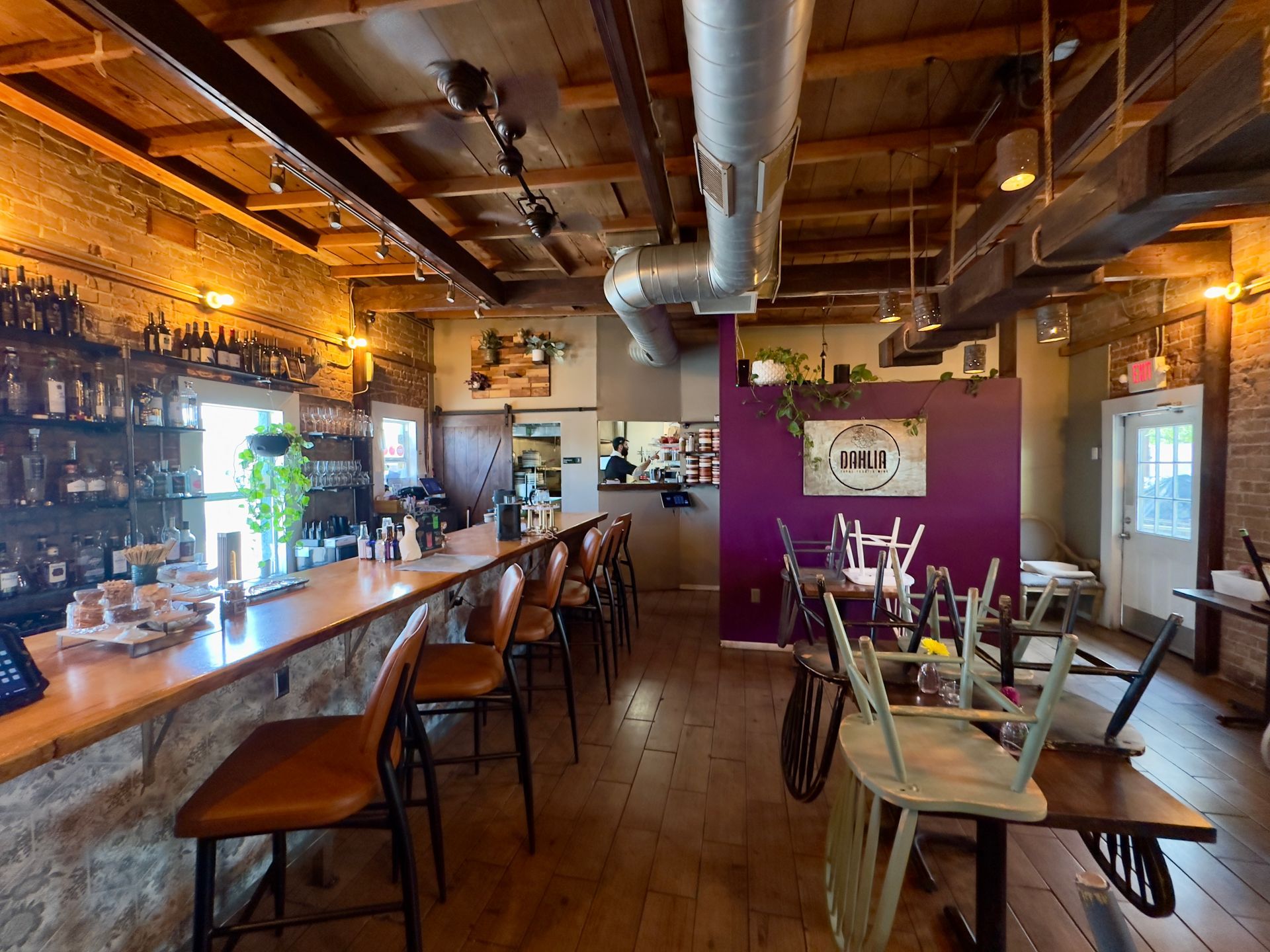
What does a restaurant marketing consultant actually do? A practical breakdown of restaurant digital marketing — website, local SEO, reviews, and social — from Behind!
By Behind Hospitality July 11, 2026
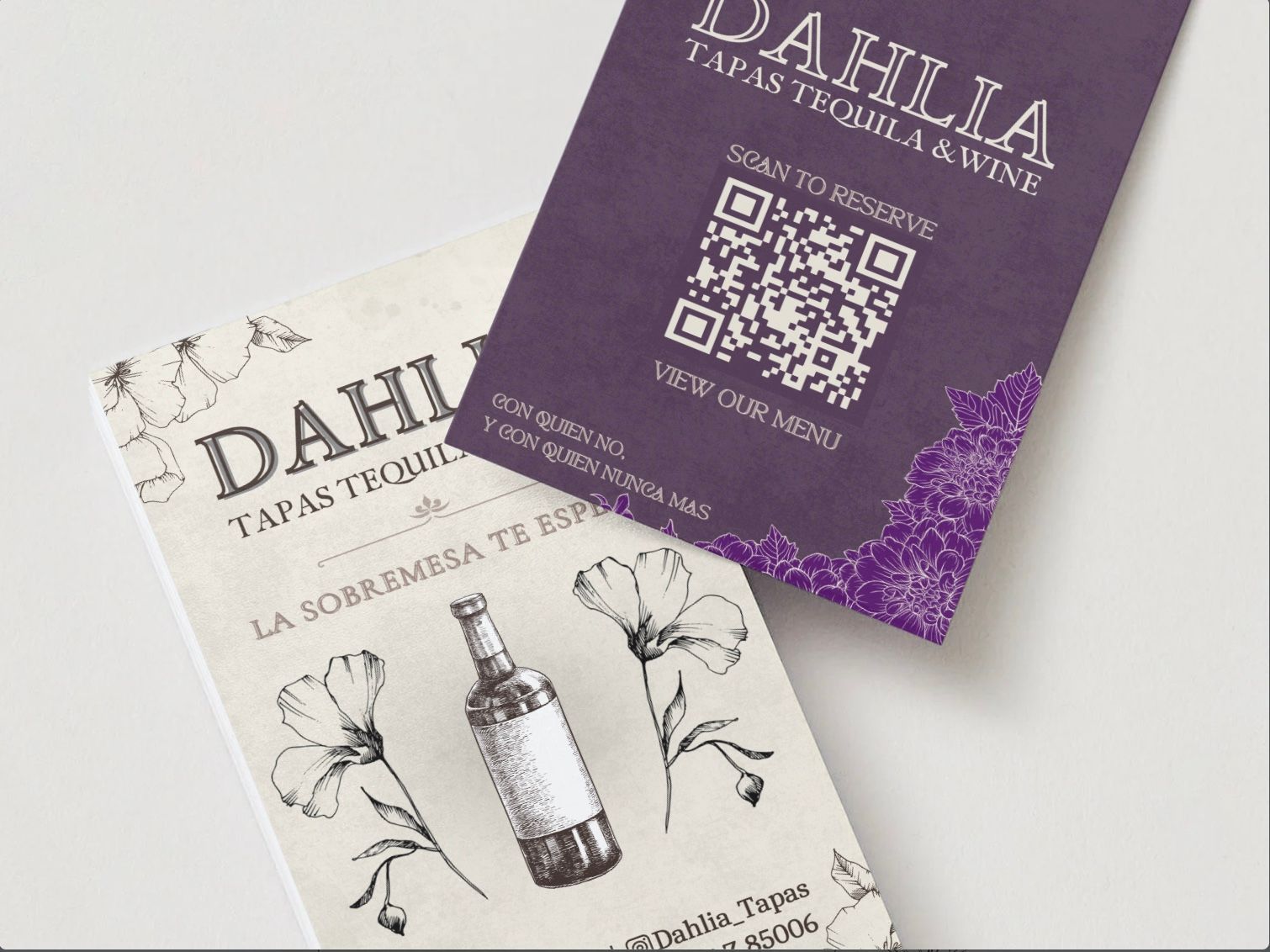
What actually makes a restaurant brand memorable? A practical look at name, voice, visuals, and guest experience — from the team behind Behind!
By info July 10, 2026
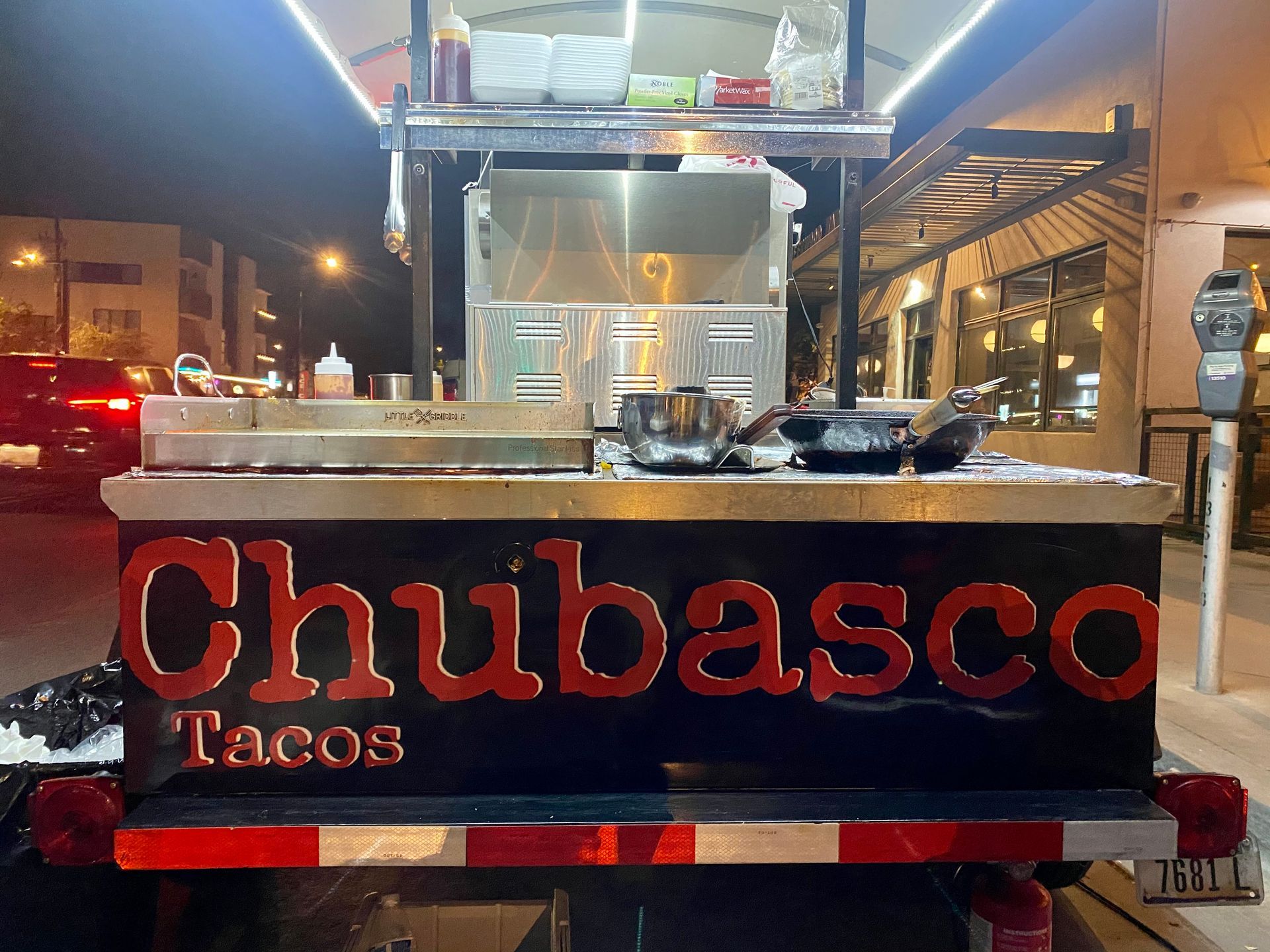
A step-by-step roadmap to legally opening a restaurant, food truck, or pop-up in Phoenix — LLC registration, health permits, TPT licensing, and getting found online once you're open.
By info July 9, 2026
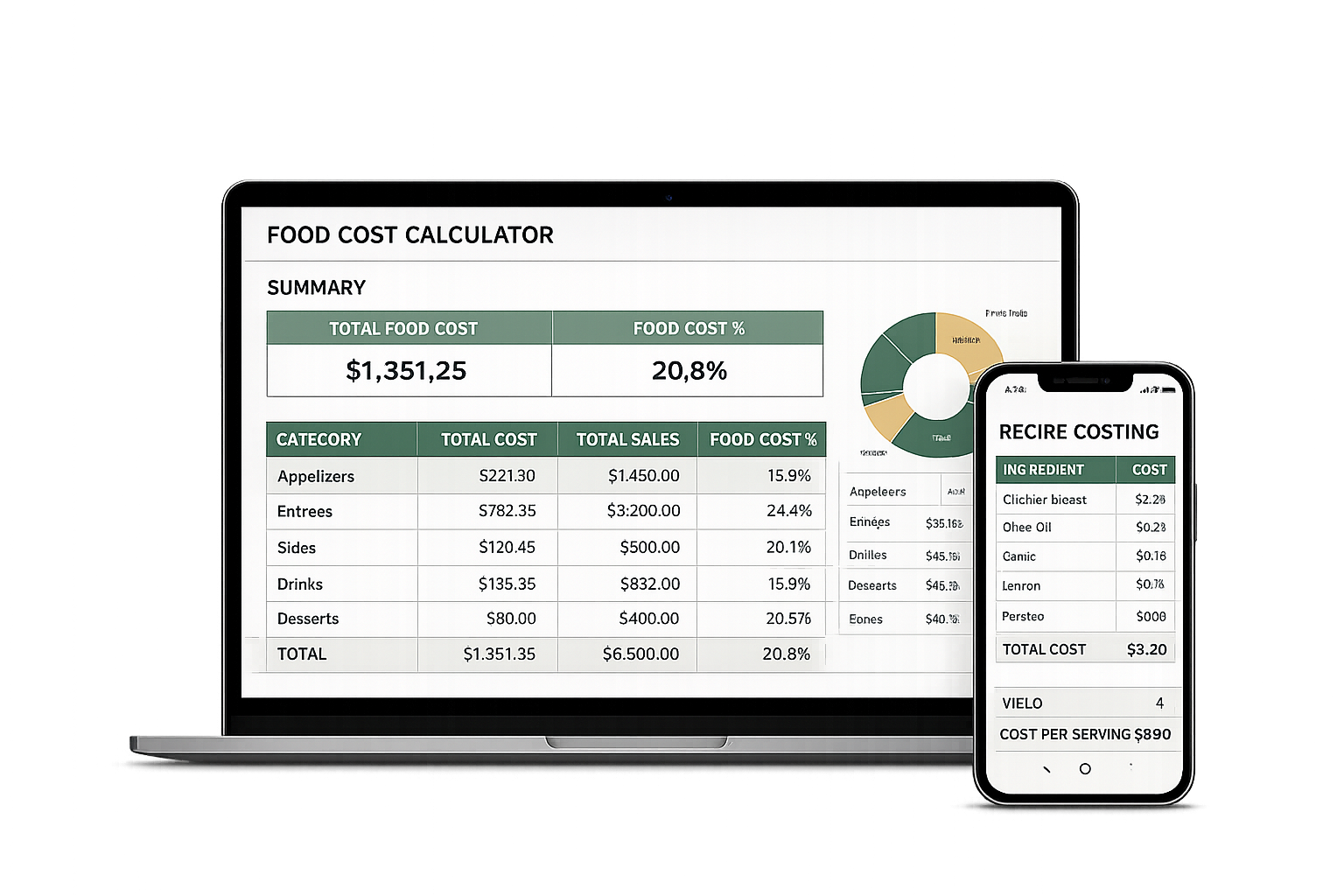
A pricing breakdown for restaurant websites in 2026. What drives cost, what to expect at each tier, and how to avoid overpaying for features you won't use.
By info July 9, 2026
A practical, no-fluff SEO checklist for Phoenix restaurants — from Google Business Profile basics to schema markup and local link building.
By info July 9, 2026
Learn strategic menu pricing for profit. Optimize food costs & design. Contact us for expert consulting today!