Restaurant Social Media Marketing: What Actually Works for Phoenix Restaurants
Social media is one of the highest-leverage, lowest-cost tools a restaurant has — and one of the most inconsistently used. Most restaurants aren't failing because they picked the wrong platform. They're failing because they post sporadically, without a clear plan for what to share or why.
Here's what actually moves the needle for restaurant social media, and how to keep it consistent without it eating your whole week.
1. Pick the Platforms Your Guests Actually Use
You don't need to be everywhere. Instagram and Google Business Profile posts cover most restaurants' discovery needs; TikTok can be powerful for younger, visually-driven concepts. Pick one or two platforms you can actually maintain well instead of five you'll neglect.
2. Post What Guests Actually Want to See
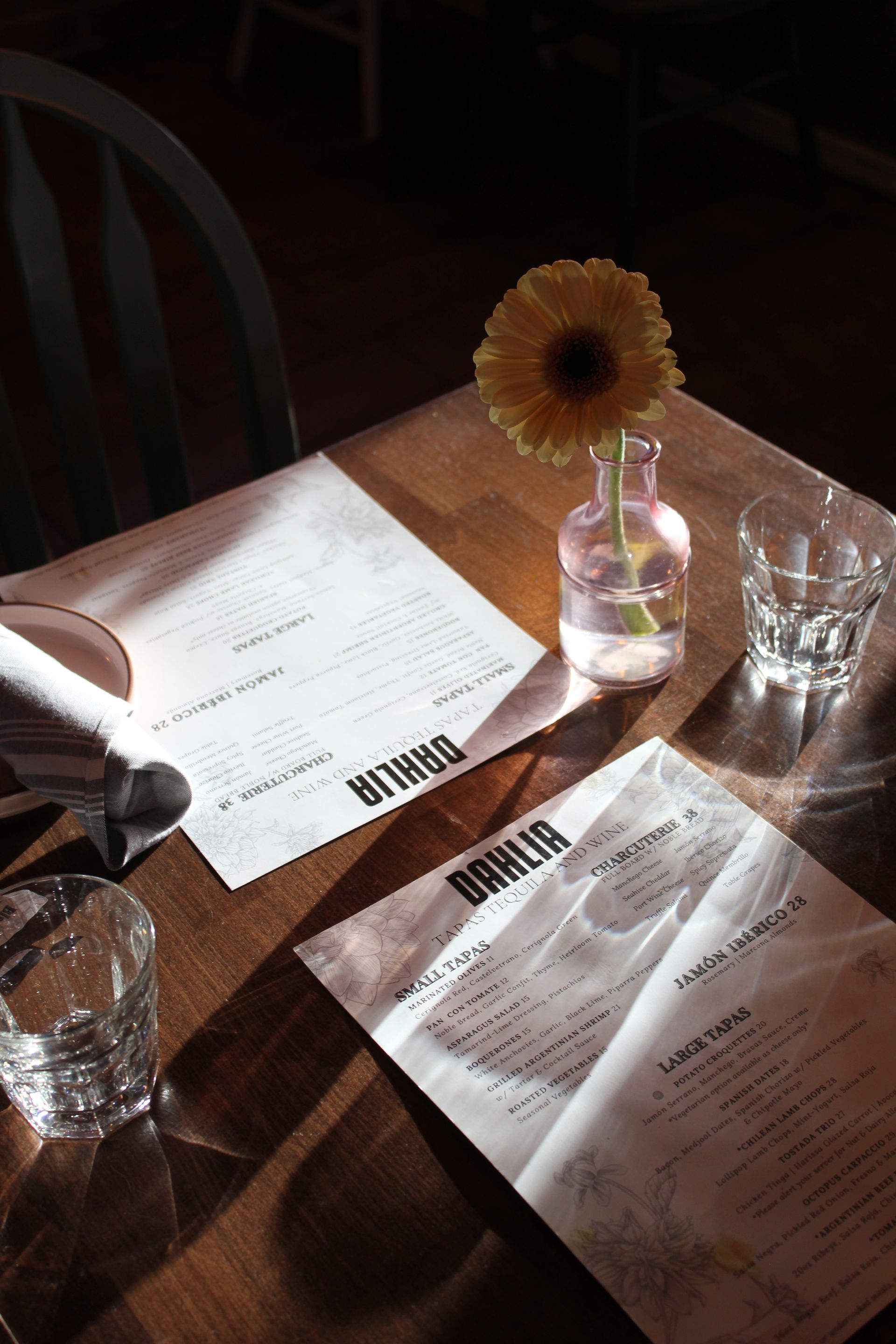
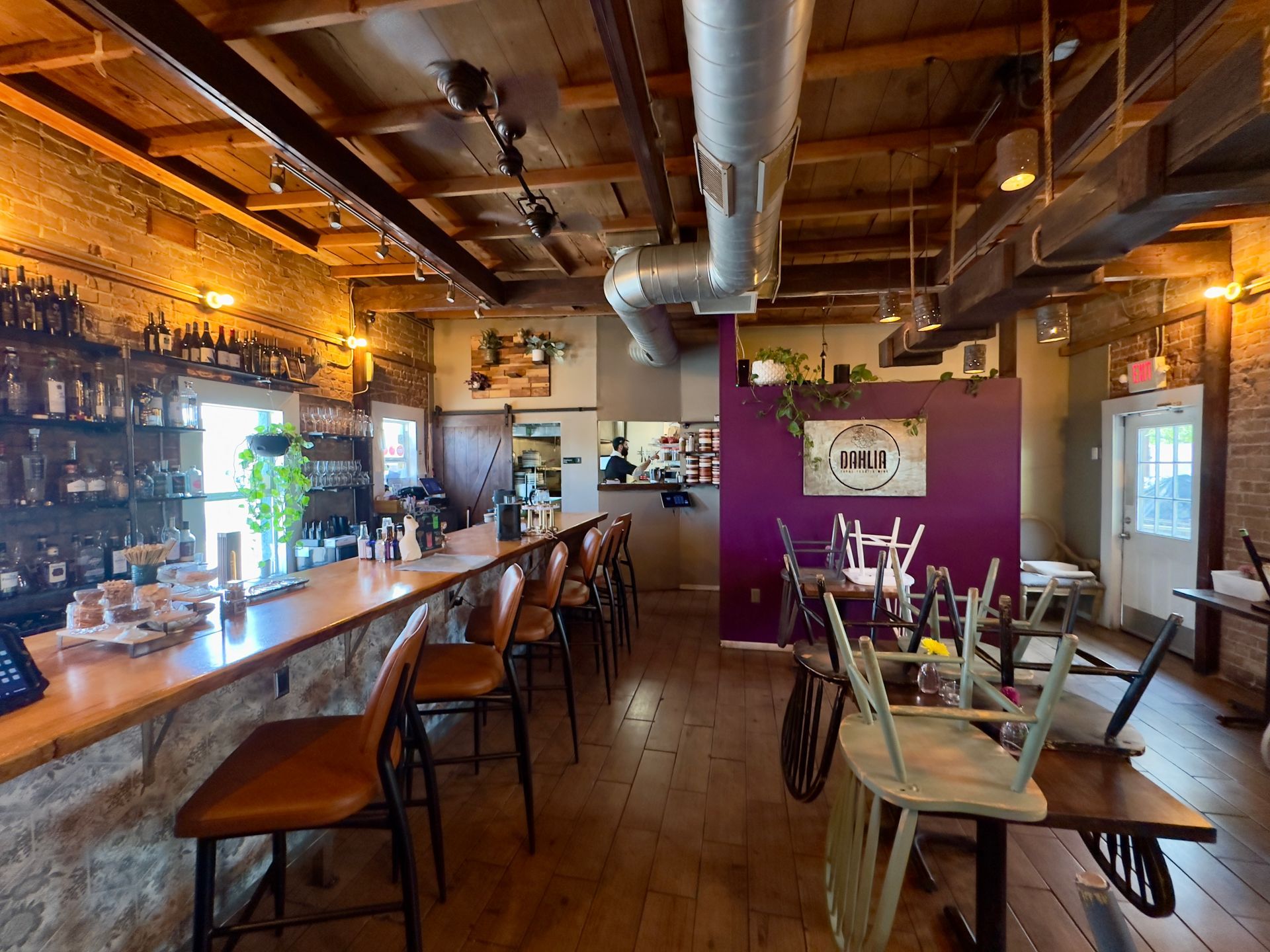
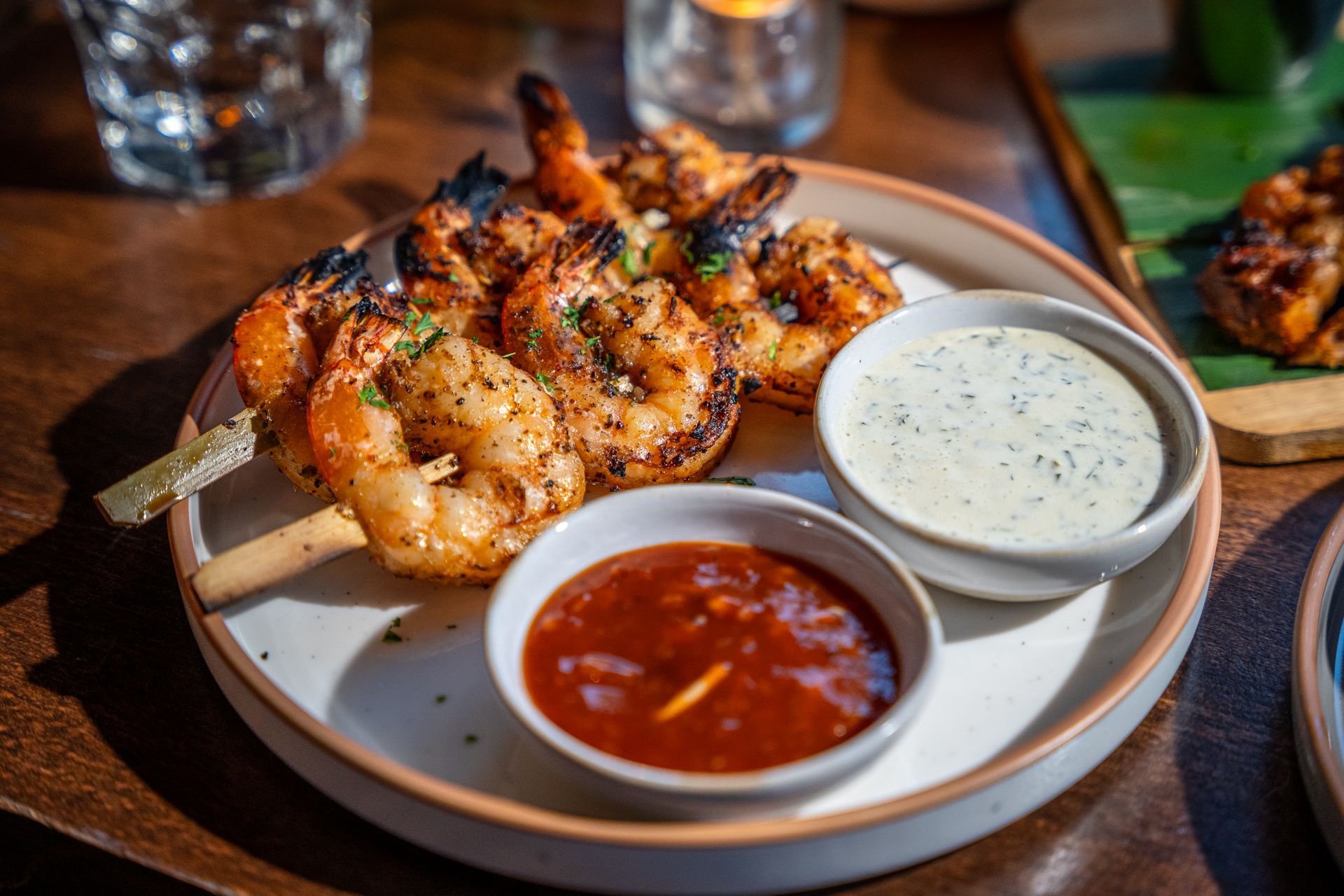
Real food, real space, real people — not stock photos or over-produced content. Behind-the-scenes moments, new menu items, staff spotlights, and the actual dining room all perform better than generic marketing graphics. Guests want to see what they'll actually experience when they walk in.
3. Consistency Beats Frequency
Posting three times a week, every week, beats posting daily for two weeks and then going quiet for a month. A simple, sustainable content rhythm — even if it's modest — builds more trust with both guests and the algorithm than sporadic bursts of activity.
4. Match Your Brand Voice
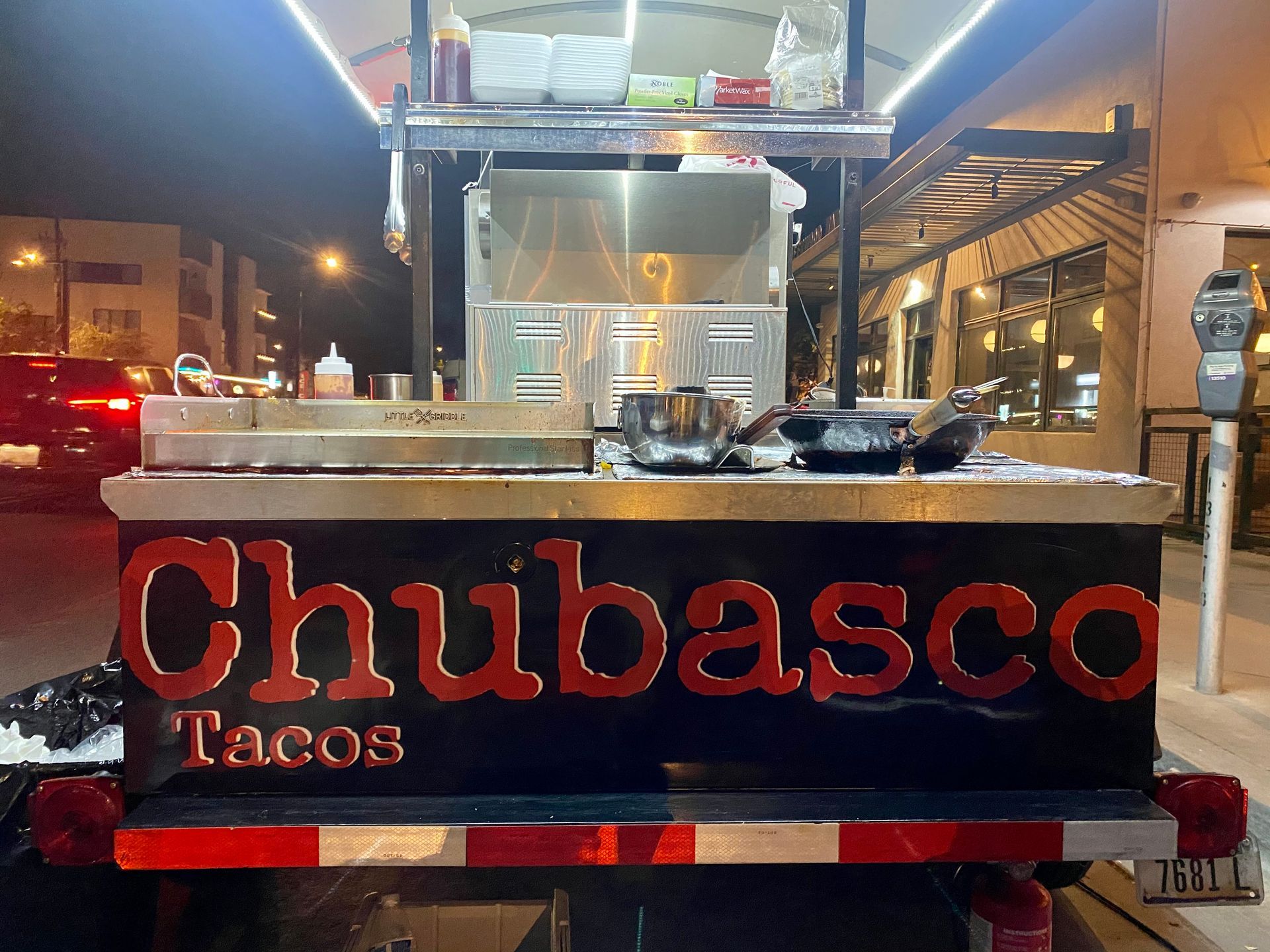
Your captions should sound like the same brand as your menu and your website. A fine-dining concept and a late-night taco spot shouldn't sound the same online any more than they would in person. Decide on a tone and keep it consistent across every post.
5. Use Social to Support Local SEO
Tagging your location, using local hashtags, and cross-posting content to your Google Business Profile all reinforce your local search presence. Social media and local SEO aren't separate efforts — they work best together.
6. Respond and Engage
Replying to comments and DMs, resharing guest tags, and engaging with local accounts turns a one-way broadcast into an actual relationship with your audience. It's often the easiest, most overlooked way to build loyalty online.
7. Track What's Actually Working
You don't need elaborate analytics — just enough to know which posts drive saves, shares, or profile visits. Do more of what works and drop what doesn't, instead of guessing.
Restaurant social media marketing isn't about volume — it's about consistency, a clear voice, and content that reflects the real experience of your restaurant. Get those right, and social becomes one of your most reliable, lowest-cost ways to bring new guests in the door.